For homeowners, fall means preparing for the colder months ahead—and prepping the lawn for its dormancy period is one of the biggest tasks, especially if you want a healthy, gorgeous lawn come springtime. Because it’s usually warm enough for active grass growth, September makes a great time to do some of these tasks for the coming season. But if you’re not careful, you can actually hurt your lawn while trying to help it.
To figure out what needs to be done (and what to hold off on), we asked a lawn care expert to share the things you should—and shouldn’t—do for healthier grass next spring.
What You Should Do
Scarify Your Lawn
To make sure your lawn stays healthy throughout the cold months, it’s important to scarify it. “Scarifying your lawn removes an excessive layer of thatch that otherwise prevents air, water, and nutrients from reaching the soil,” says Klimorowski. “If not addressed before winter, it can lead to water pooling on your lawn, encouraging fungal diseases and pests.” Removing that extra layer means healthier soil and better growth next spring.
Aerate the Soil
Aerating your soil, or poking small holes in it, allows your soil and grass to get the nutrients and water they need through the winter. “Aerating your soil breaks up any compaction that has been created by the increased summer traffic, making it easier for grass roots to grow deep into the soil,” says Klimorowski. “As a result, they can access water and nutrients more easily, handling the cold months better and resulting in stronger, healthier growth once spring arrives.”
Top Dress the Lawn
“When done after aeration, top dressing can fill the holes left behind, preventing them from closing again and improving soil structure, contributing to quick growth,” says Klimorowski. Top dressing is the practice of adding a uniform layer of organic matter (like compost or sand) to your lawn.
“Top dressing can also help create the perfect conditions for overseeding, making sure that the seeds have all the nutrients that they need to germinate,” she adds.
Overseed to Fix Patchiness
For a lush lawn that doesn’t have bald spots next spring, you’re going to want to overseed your lawn, or spread grass seed over your preexisting grass to create a stronger, denser turf. “Overseeding fills in any bare patches, making your grass denser, while introducing new grass varieties to your current lawn, making it more resistant to pests and diseases,” says Klimorowski. “As a result, you get to start next season with thicker and more resilient turf.”
What You Shouldn’t Do
Renovate Your Lawn While It’s Dormant
If your turf has already gone dormant for the year, it’s best to hold off on any renovation projects. “Never carry out any renovation work if your lawn is not actively growing,” says Klimorowski. “If you can see that the grass growth has slowed down a lot and the lawn is clearly preparing for dormancy, it won’t be able to easily recover.” Save those projects for spring when the grass is actively growing again.
Leave Fallen Leaves and Other Debris
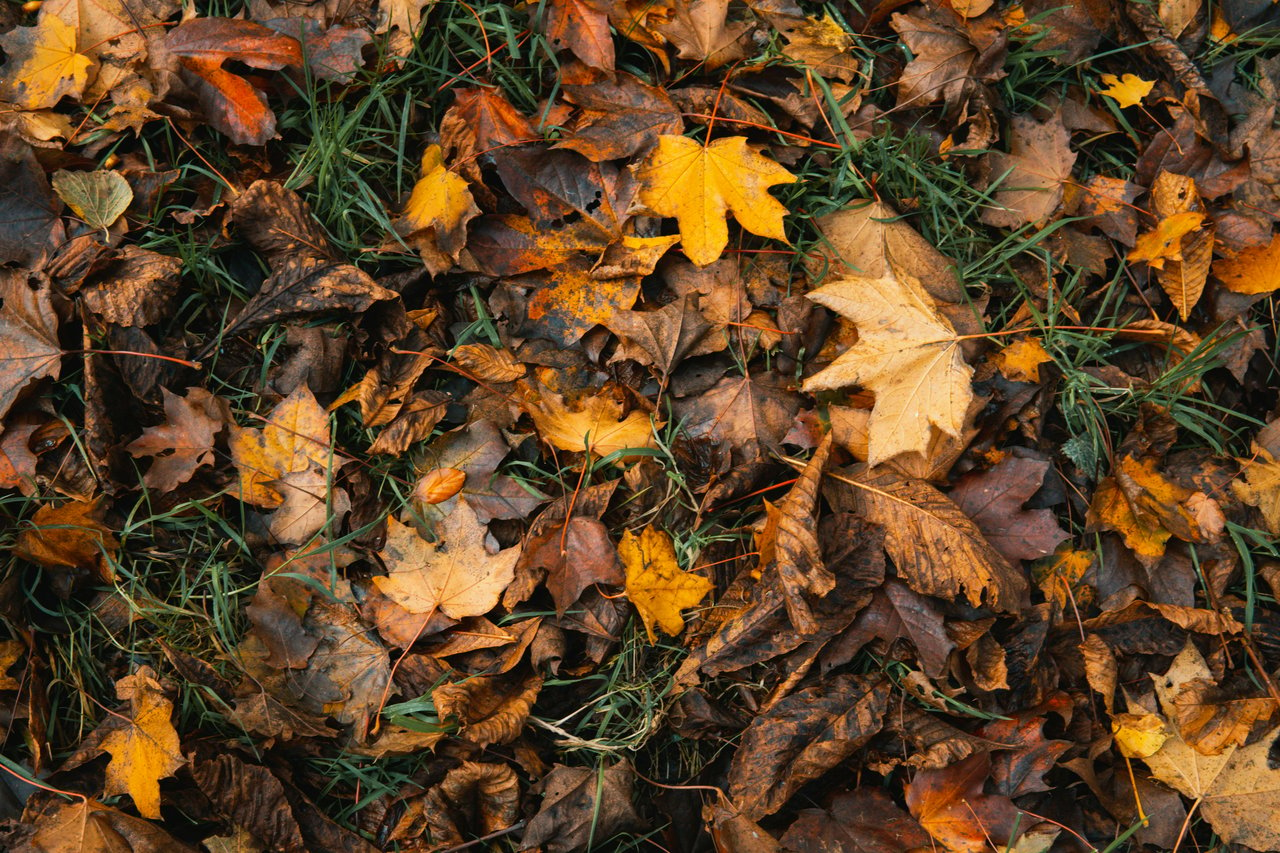
While it’s a chore that none of us look forward to, raking your lawn is crucial to its health. “Make sure to never leave any fallen leaves or debris on your lawn, too,” she says. “Not only can these smother the grass, but wet debris can also trap moisture, encouraging fungal diseases and pests.”
Cut Warm-Season Grass Too Short
If you have warm-season grass, like Bermuda or St. Augustine, it’s important not to cut it too short during this time. “You also shouldn’t mow the grass too short if you have warm-season grass,” says Klimorowski. “This is because it is starting to prepare for dormancy and needs a larger leaf area to produce and store energy reserves for winter.”
Keeping it a little longer will also protect the roots while discouraging weed growth. Continue cutting the grass as long as it keeps growing; just make sure to keep it around 2 to 3 inches.
Read more at Real Simple