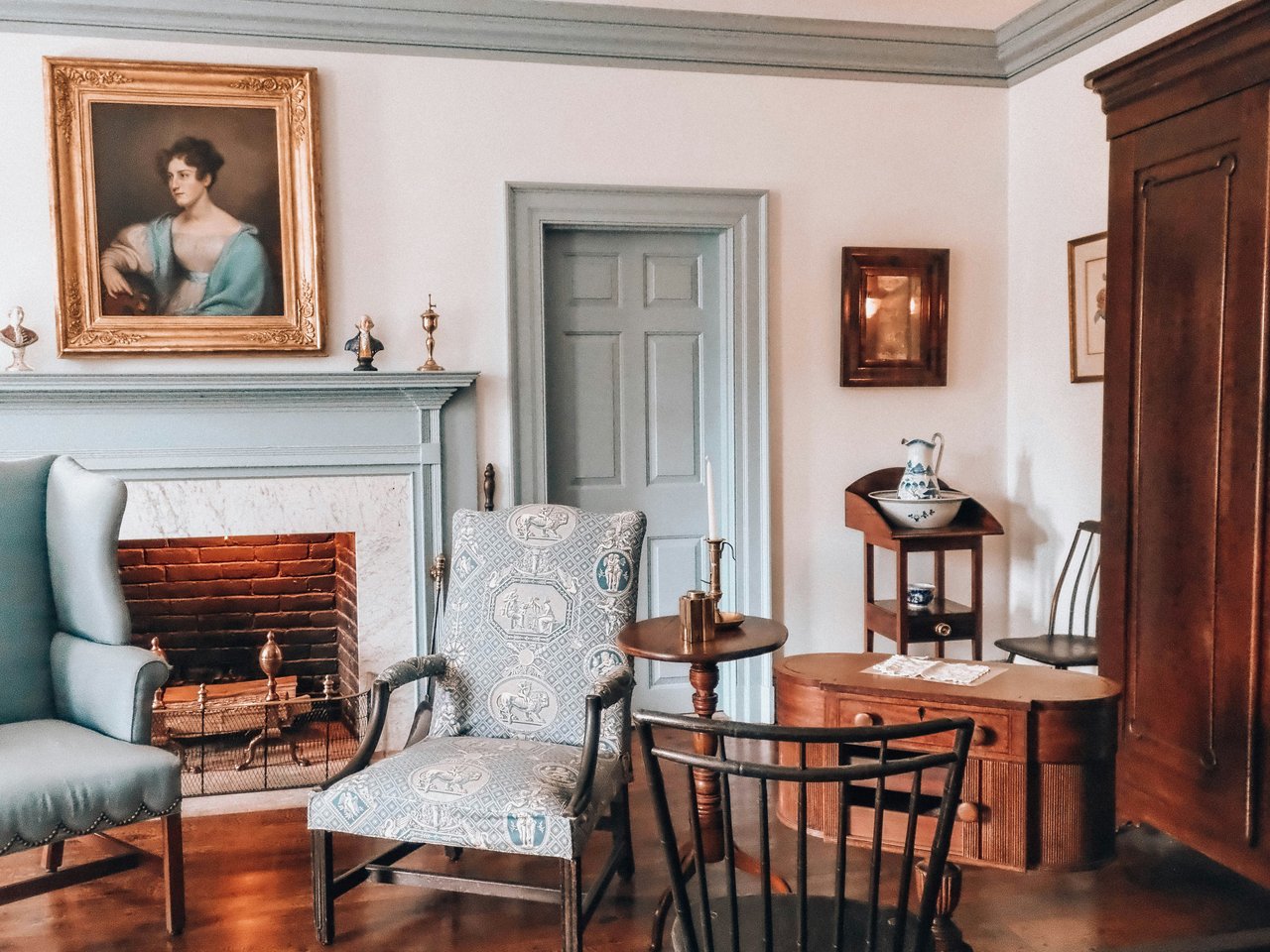
A weekend filled with vintage and antique shopping is one of life’s great pleasures. But as you’re scouring for treasures to bring home, you’ll want to double-check that you’re not also bringing home an unwanted problem.
We spoke with pros in the antique world as well as an avid second-hand secondhand shopper about what you should look out for.
Inspect the Back and Sides of a Piece
The front of a piece of furniture may look perfectly fine, but make sure to thoroughly inspect all sides for signs of damage, past repairs, or general functionality, says Debbie Mathews LeRoy, founder, principal designer, and antiques dealer at Debbie Mathews Antiques & Designs. According to LeRoy, signs of damage include:
- Cracking
- Discoloration
- Water damage
- Missing hardware
- Veneer that is missing or lifting
“If there are drawers, inspect them to make sure they glide properly,” LeRoy says. “If the piece has feet or legs, check to see if they have been cut down in the past due to previous water damage. I also like to make sure the legs are stable and able to support the piece.”
LeRoy also notes that some drawers in older pieces can only be opened with a key — so make sure that key is included.
Sit on Chairs to Assess
Look at the Wood Finish
Inspect the finish of a wooden piece of furniture—it can tell you a little bit more about where and how it was treated. “If the finish on a chest is lighter on one side, that likely means that this piece was placed near a window,” says LeRoy. “If there is a round, darker area, this likely means that a vessel or lamp sat on it for many years.”
Check for Pin Holes
Take a good look around antique wooden furniture for any pin holes. Wood furniture can be harboring some unwanted pests.
“If you notice small pin holes, this likely means that at some point this piece was infested with some type of wood-boring insect—often wood-boring beetles,” says LeRoy. “Usually, when you see these holes, they represent past infestation, but if you notice small piles of fine dust in or around the piece, it likely represents active damage, which is a huge red flag.”
Look for Sawdust
Piles of what looks like sawdust around vintage wooden furniture signal an active pest problem. “Antique and vintage wood furniture can harbor termites, powderpost beetles, and furniture beetles (or more commonly woodworms),” says Heather Karlie Vieira, owner of Heather Karlie Fine Art. “These insects have great taste in antiques! Literally—chomping away at both hardwoods and softwoods, and some even have a specific taste for antique wood!”
While the furniture can be treated for an infestation, you don’t want to bring the piece home and allow the infestation to spread to other wooden pieces of furniture. If the furniture is already home, LeRoy suggests calling a professional exterminator to treat the problem.
Read more at Martha Stewart