Exposure to nature—real or implied—can promote relaxation, motivation, and overall well-being. "Naturemaxxing," a growing social media trend, is all about spending time in nature to improve your mood. Online, many post photos and videos of beautiful outdoor scenes to showcase their time, ironically, spent away from screens and the stress of everyday life.
"Naturemaxxing is a social media term, but at its core, it reflects something much deeper: an intentional effort to maximize your exposure to nature in everyday life," says Anita Yokota, a designer, therapist, and author of Grounded Living. However, you don't need to plan a digital detox hiking trip to get a stronger dose of the great outdoors.
“From a design and wellness perspective, it closely aligns with biophilic design—the idea that we’re biologically wired to feel better when we’re connected to nature. Whether that’s through sunlight, fresh air, plants, or natural materials, naturemaxxing is really about increasing those inputs in a way that feels accessible and consistent,” Yokota says. “Even subtle cues, like greenery, organic textures, or nature-inspired colors, can improve mood, support focus, and reduce cognitive overload.”
Read on to learn four simple ways you can incorporate naturemaxxing directly into your home to experience the benefits daily.
1. Maximize Natural Light
“Maximize natural light wherever possible by opening windows, using sheer curtains, or incorporating reflective surfaces to bounce light around the room,” Yokota says.
Aside from brightening a space, increasing natural light can improve your mood, energy, and sleep patterns. Annie Guest, a mental health therapist, interior designer, and author of Design Your Mind, recommends setting up a reading chair near living room windows, or even just opening your windows when it’s warm enough to take advantage of all the benefits sunlight has to offer.
2. Use Colors That Reflect Nature
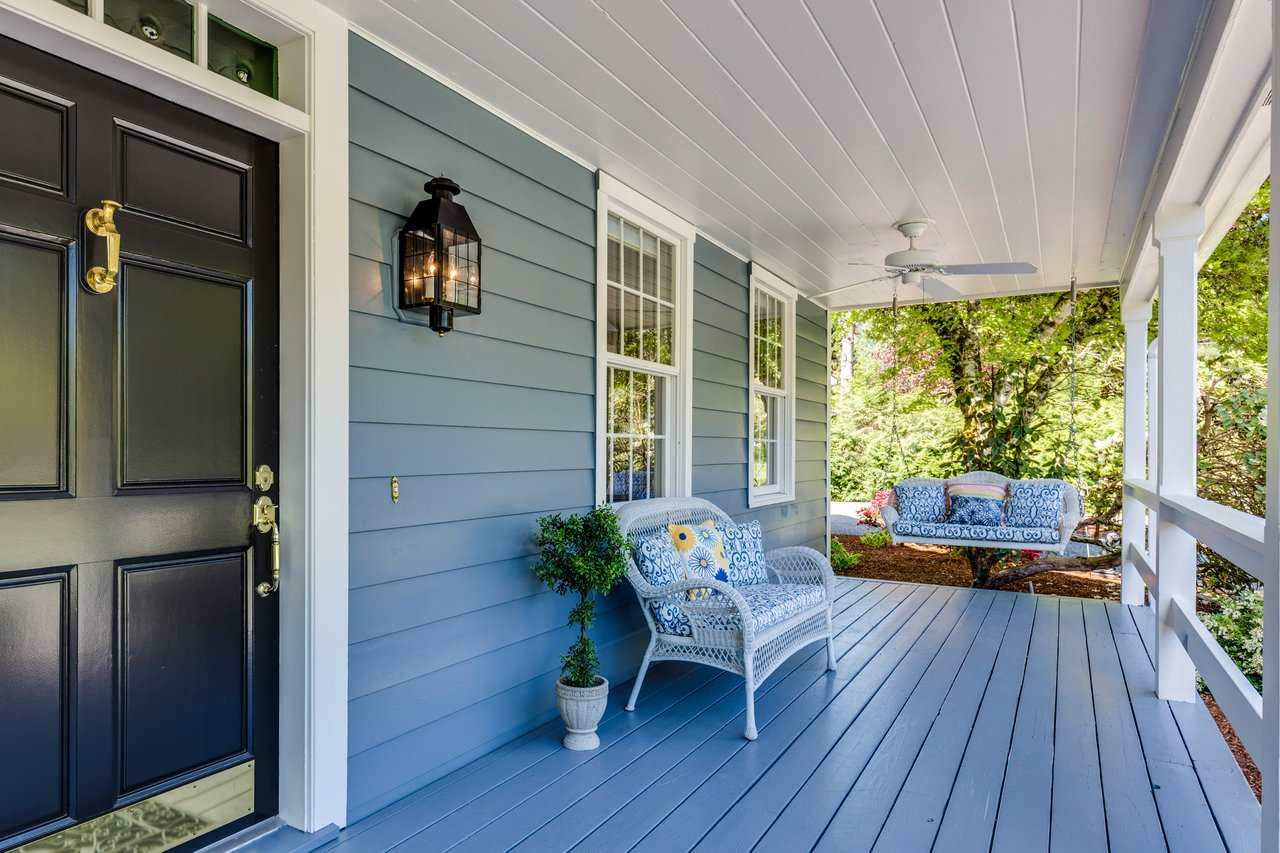
Color is one of the easiest ways to bring the sense of nature indoors, and you aren’t limited to just green. “Think soft greens, warm earth tones, sandy neutrals, or muted blues. Palettes that mirror natural environments,” Yokota says. Small additions—like pillows or blankets on the couch, or a plush rug in a grassy color—are all that's necessary to improve the emotional tone of a space.
When it comes to paint, similar rules apply. “To create a sense that we are outside, feeling free and unencumbered, use cool paint colors—such as blues, greens, and purples,” Guest says.
Yokota recommends identifying which natural environment you feel most connected to and using it as a guide. Whether it’s the ocean, meadows, deserts, or mountains, it can be a good starting point as you consider naturemaxxing your home. “Each landscape comes with its own palette, textures, and mood,” she says. “For example, a coastal-inspired space might lean into soft blues and airy materials, while a mountain-inspired space brings in deeper tones and richer, cozier textures.”
3. Add Natural Textures
Textures are just as important as colors in nature-inspired spaces. “Tactile elements create a sensory connection to nature and help ground the space,” Yokota says.
Incorporate natural materials like wood, linen, or stone throughout your home by adding rugs, furniture, or decor in organic textures. “Natural materials, such as wicker and wood, deliver the same benefits as greenery because humans associate those materials with nature,” Guest says. Add a natural wood or wicker coffee table to the living room, or stack some stone knickknacks on a side table.
4. Add a Living Element
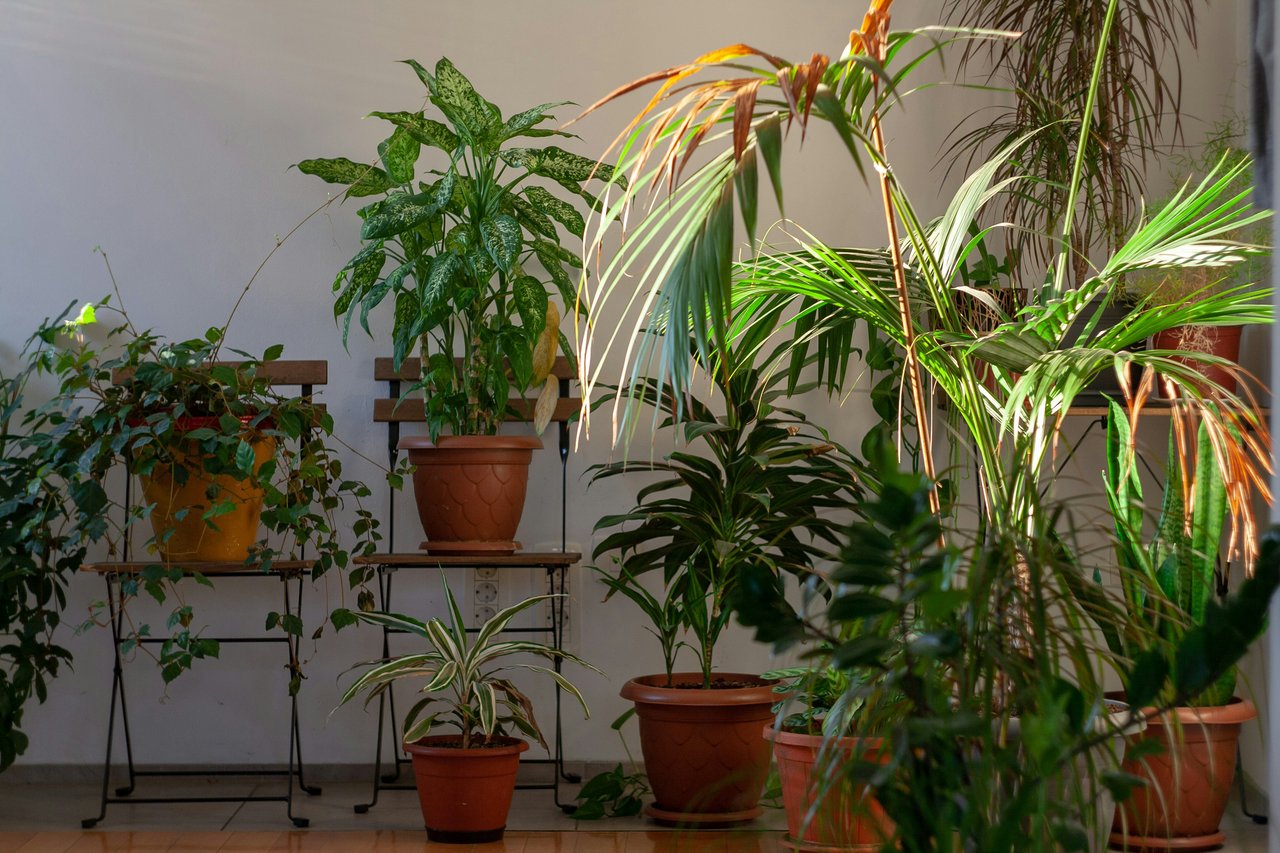
If you have plants outside in container gardens, consider bringing one or two into your living room (especially during the winter) to boost your mood. The greenery doesn't need to be real either, Guest says, even artificial plants can do the trick.
“A plant, fresh flowers, or even a simple branch clipping can bring life into a space and create an immediate emotional lift,” Yokota says. “Naturemaxxing doesn’t have to be extreme or expensive. It’s about making intentional, consistent choices. When your environment reflects elements of nature, your home starts working with you, supporting how you want to feel day to day."
Read more at Better Homes & Gardens