Have you ever plopped down on your couch on a sunny winter day and thought “I wish I could open the windows right now for a little fresh air”? While you technically can open the windows, it won’t be a very pleasant experience, thanks to the freezing outdoor temperatures.
So, for months on end, you don’t open them—dutifully keeping the heat in and the cold out. But during that time, dust, chemicals, and even excess moisture become trapped indoors, creating polluted, stale air. That’s where the German habit of “lüften” comes in. Ahead, learn what it is, how it works, and why cold breezes aren’t so bad after all.
What Is Lüften, Anyway?
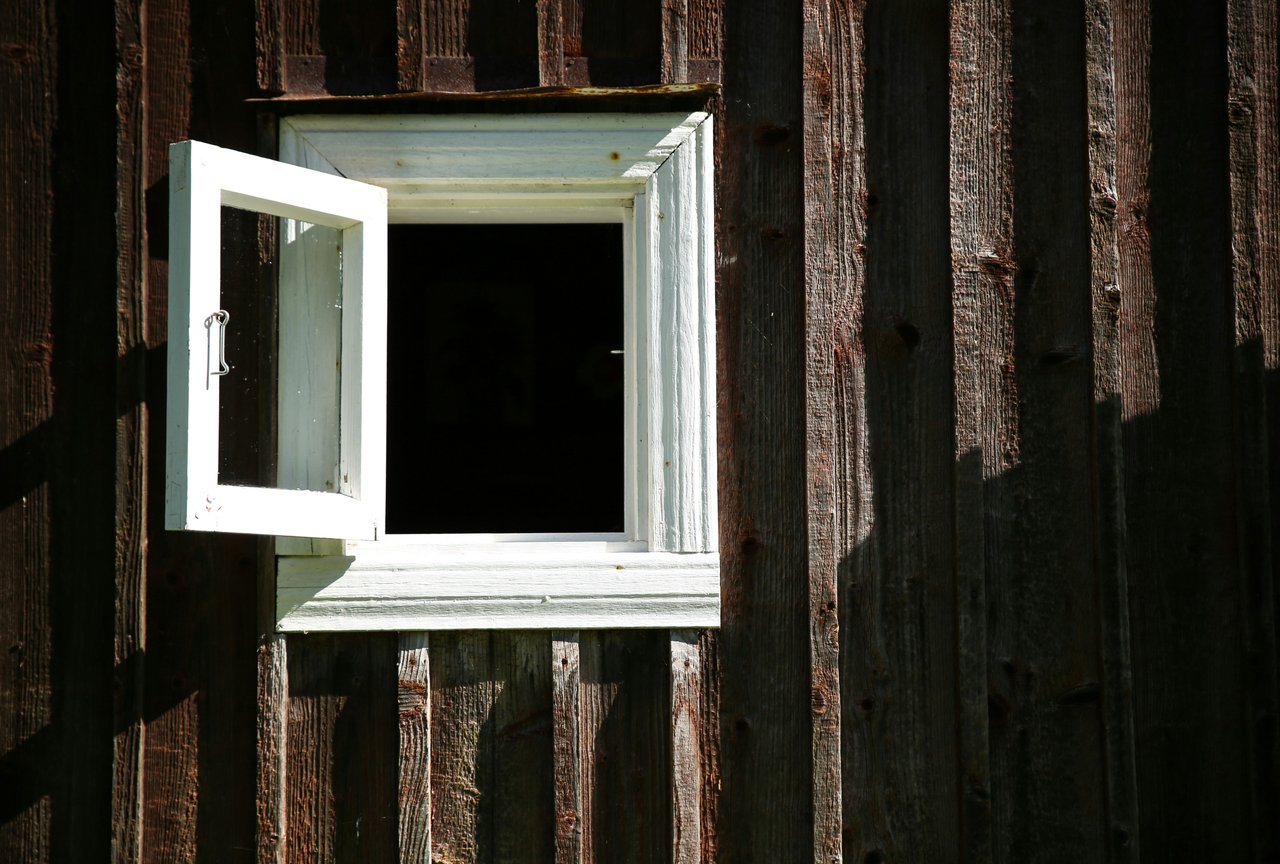
The German word lüften translates to “to air.” It’s the practice of opening your home’s windows and doors to quickly cycle in fresh outdoor air, exchanging it with stale indoor air. By doing it once or twice a day for five to 10 minutes at a time, the idea is that it improves the air quality in your home.
“Opening the windows, even briefly, flushes out stale air that holds carbon dioxide, odors, pollutants, and excess moisture, replacing it with fresher outdoor air,” explains Jeanine Humphrey, an indoor air quality and environmental health specialist with M.A.R.S Environmental. “This will noticeably improve how the room feels and reduce the condensation that allows mold to grow.”
In other words, lüften is basically shock ventilation: short enough to prevent heat loss and intense enough to refresh the air, adds Kevin Goude, owner of HVAC maintenance and repair business First Choice.
How to Practice Lüften
The key to practicing lüften is making sure it’s done in quick bursts for rapid air exchange. Open your windows fully once or twice a day for five to 10 minutes when it’s cold and three to five minutes when it’s below freezing.
But don’t just open one window in one room and think you’re set—you need to ensure there’s cross-ventilation by opening at least two windows or sources of air. (The fresh air needs a place to come in and the stale air needs a place to go out.) Relatedly, lüften can be most effective when done after an activity that produces smells or humidity, like cooking, showering, or cleaning with chemicals.
What Are the Benefits of Lüften?
Just as the concept of lüften is simple, so are its benefits. The biggest one, according to Michael Rubino, a mold and air quality expert and founder of HomeCleanse, is that it breaks the “closed-loop” effect that happens in winter.
“When windows stay closed, the air doesn’t magically reset. It holds on to moisture and it holds on to whatever you introduce into the space," Rubino says. “Cooking is an easy example. Fry something once and you can still smell it later. Same with strong cleaners, candles, fireplace smoke, even certain laundry products. Those are particles and gases. Some of them are VOCs. They build up when the home is sealed.”
Moisture builds up indoors in the wintertime, too. But cold air holds less moisture, so when you swap humid indoor air with drier (and colder) outdoor air, humidity levels decrease. “If the indoor humidity keeps creeping up and there’s no consistent way for that moisture to leave, you’re creating the conditions mold likes,” Rubino continues. So eliminating the conditions for mold to thrive is another big benefit.
Common Lüften Mistakes to Avoid
Lüften should be short and intense or you spoil everything, says Goude. “The biggest mistake people make is that they tilt windows instead of opening them fully—as wide as they can,” he notes. “When you just tilt windows, you lose heat and barely refresh the air.”
Another lüften no-no? Leaving the windows wide-open for way too long. This can actually cause condensation once the window is closed because it cools down the surrounding walls and furnishings without effectively exchanging air, explains Humphrey. Increased condensation means your risk for mold increases as well.
The other important thing to remember is that lüften is not always the best course of action for refreshing your indoor air. “If the outdoor air is filthy, bringing it inside is not a win,” Rubino says. “If you’re next to heavy traffic, if you’re dealing with wildfire smoke, if the pollen count is brutal, you need to be selective.”
Similarly, if you have a true moisture problem—a leak, an improperly vented bathroom fan, a problem in the attic—lüften won’t fix that. In those cases, you should address the source of the issue and bring in a pro if necessary.
Read more at Real Simple