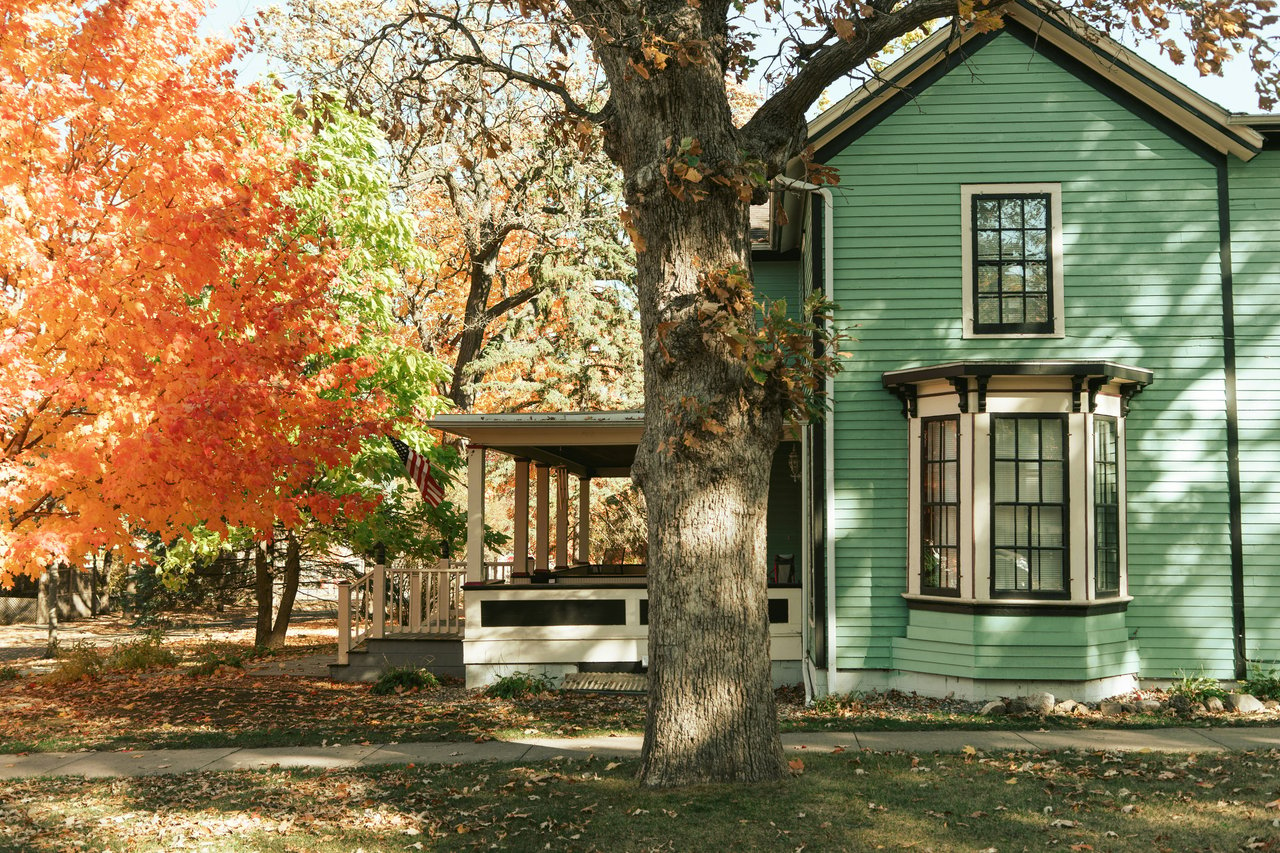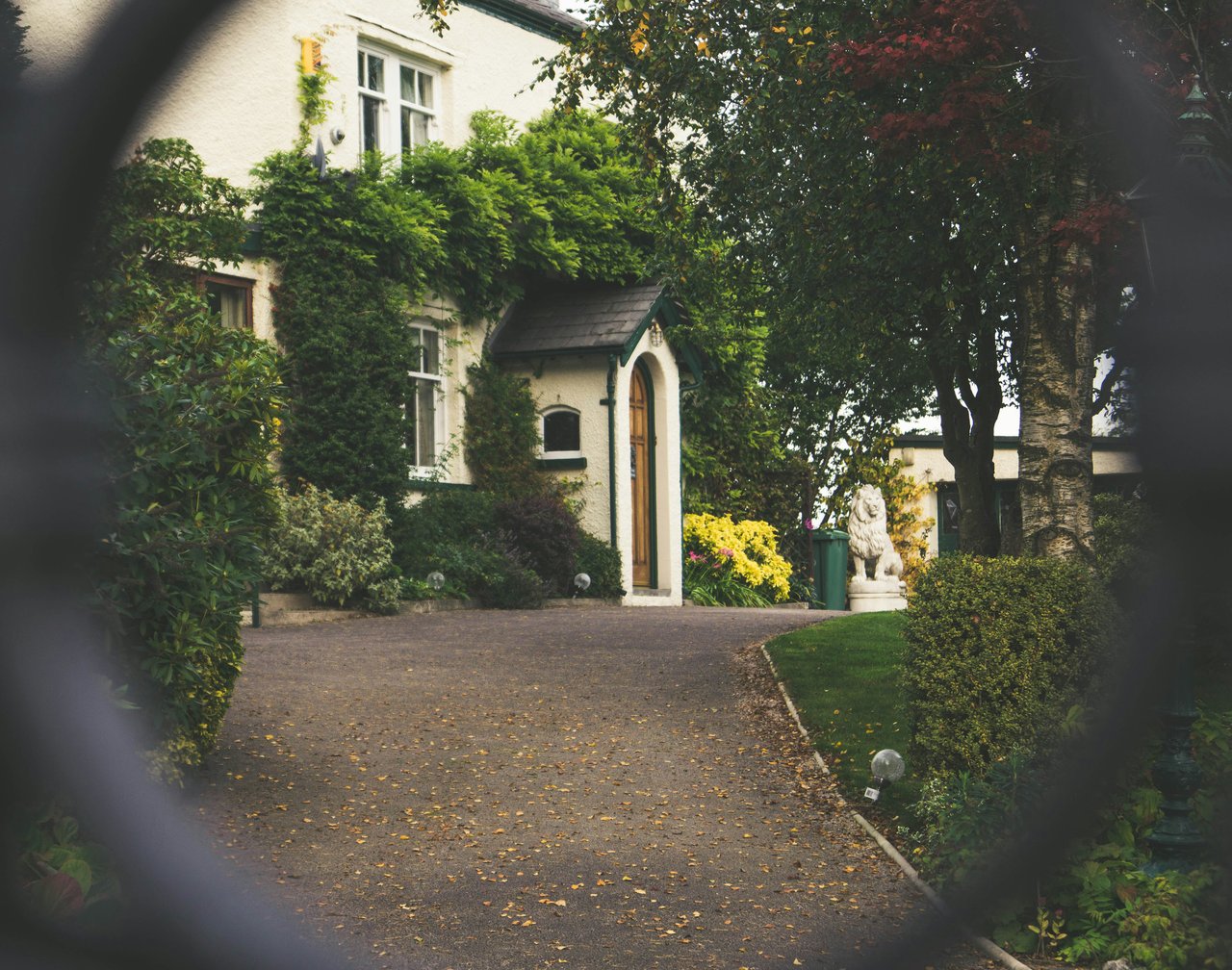
Curb appeal does more than just set the tone—it shapes what buyers think about your home. Before anyone crosses the threshold, the exterior is conveying personal style as well as how much maintenance might be waiting down the line.
While certain design choices photograph well or feel on-trend in the moment, they don’t always translate to broad buyer appeal. Here, we asked real estate experts to share the curb appeal details worth skipping—and the exterior missteps that buyers notice immediately.
Fake Shutters
Decorative shutters are often added with good intentions, but when they’re clearly ornamental, they can cheapen an otherwise well-maintained exterior. Scale and proportion matter too, and buyers tend to spot shortcuts immediately.
“Fake plastic shutters can instantly make it feel low-quality, especially when they’re undersized and clearly non-functional,” says Allison Freeman, a luxury realtor at 30A. “I know it can be tempting to save money, but this is one area where cutting corners shows."
Instead: Skip decorative add-ons altogether, or “invest in properly sized, real shutters, which elevate your home’s exterior and will pay off in the long run,” she says. When in doubt, a clean façade without shutters will read as more intentional than a poorly fitting shortcut.
Artificial Grass
Artificial grass often enters the conversation as a low-maintenance solution, but when it dominates the yard, it can quickly tip from practical to tacky. Buyers tend to respond better to landscapes that feel natural and proportionate, especially when outdoor spaces are meant to extend the home, not imitate an indoor surface.
“This isn’t the NFL,” Freeman says. “Small, strategic areas of artificial turf can work, but covering your entire yard isn’t the way to go. Most buyers don’t want carpet in their home, so it goes without saying that they definitely don't want it outside.”
Instead: Opt for natural grass where possible, or limit artificial turf to small, functional zones where it reduces wear and upkeep.
Bold or Overly Personalized Exteriors
Bold exterior colors and highly personalized details can feel expressive, but they often narrow buyer appeal. While these choices may reflect the current owner’s taste, buyers tend to view them through the lens of cost and what would need to be undone.
“It might reflect personality, but buyers often see it as a future project," says Mike Bruce, a real estate agent with Bruce Homes Colorado.
Instead: Stick to neutral, widely appealing exterior colors that feel timeless, allowing buyers to focus on the home’s architecture. “Neutral tones photograph better and feel more timeless,” he says. “They help the buyers to imagine themselves in the space, rather than focusing on what they would change.”
Exterior Clutter
Exterior clutter can quickly overwhelm a home’s façade, making it harder for buyers to see the architecture and overall condition. When too many personal or decorative elements compete for attention, first impressions suffer. “This can include too many decorations, personal items, signs, flags, or seasonal décor," says Bruce.
Instead: Edit the exterior the way you would stage an interior. Remove personal items and limit décor.
Roof Color Mismatches
Roof color is usually treated as a purely functional choice, but it plays a major role in how cohesive—and considered—a home appears. While mixing roofing materials can add interest, inconsistency in color is one detail buyers tend to spot immediately.
“Roof color definitely deserves careful thought,” Freeman says. “Mixing materials is perfectly fine to do and can add depth and character."
Instead: If you mix roofing materials, keep the color palette consistent. When coordination isn’t possible, skip accent materials altogether, or invest in finishes that clearly complement the primary roof.
Wear and Tear
Visible wear on the exterior can quietly undermine buyer confidence, even when the interior is in excellent shape. Small signs of neglect tend to read as larger maintenance issues, shaping first impressions before anyone steps inside.
“Peeling paint, cracked sidewalks, or stained exteriors can hurt first impressions, as buyers will interpret these issues as deferred maintenance,” Bruce says.
Instead: Address cosmetic wear before listing to signal that the home has been consistently cared for. “Small fixes like power washing, repainting trim, and repairing the concrete can dramatically improve curb appeal,” he says.
Read more at Martha Stewart