
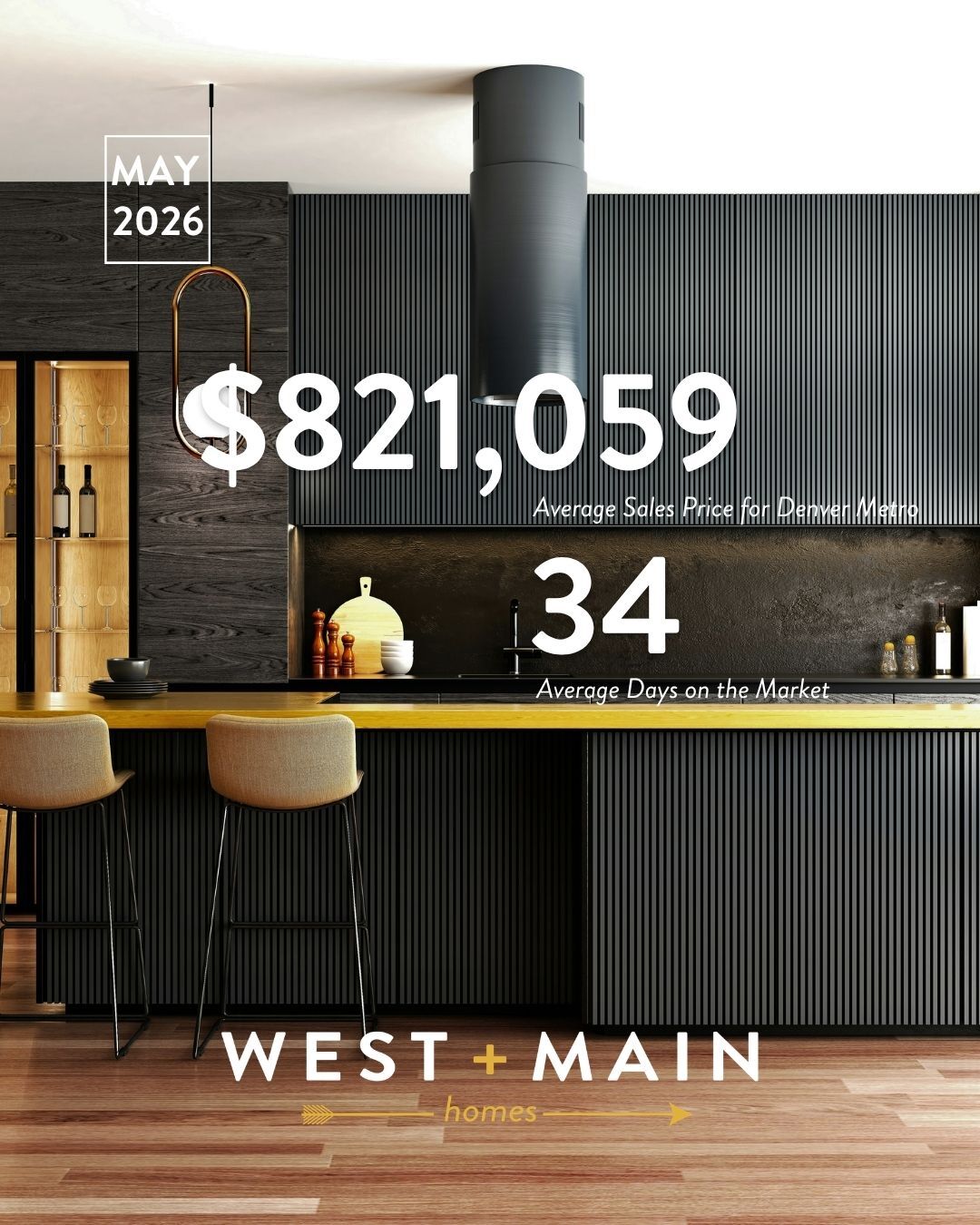
A quiet exhaustion has taken hold on both sides of the transaction table. Homeownership attainability fatigue is leading buyers to pull back, and sellers are locked in place. And the May 2026 market data points to a single, identifiable cause, one that has nothing to do with Denver's price trajectory.
Denver home prices are not anomalous. From May 2017 to May 2026, the median sale price grew from $382,000 to $615,000—a six percent average annual increase that mirrors the market's long-run historical norm. That same six percent annual trend holds when measured from March 2020 through May 2026. The pandemic surge and subsequent flattening settled into a textbook appreciation curve.
In March 2020, a buyer purchasing at the $455,000 median price with 10 percent down and a 3.8 percent rate would have carried a monthly principal and interest payment of $1,866. Had rates remained at 3.8 percent, normal six percent annual appreciation would have brought that payment to approximately $2,580 today—consistent with Denver's historical trajectory. Instead, at 6.5 percent, the payment on today's median of $615,000 is $3,498. That is an 87 percent increase in six years. The price appreciation accounts for roughly $714 of that monthly difference. The rate increase accounts for $918. The rate isn't compounding the affordability problem. It is the affordability problem.
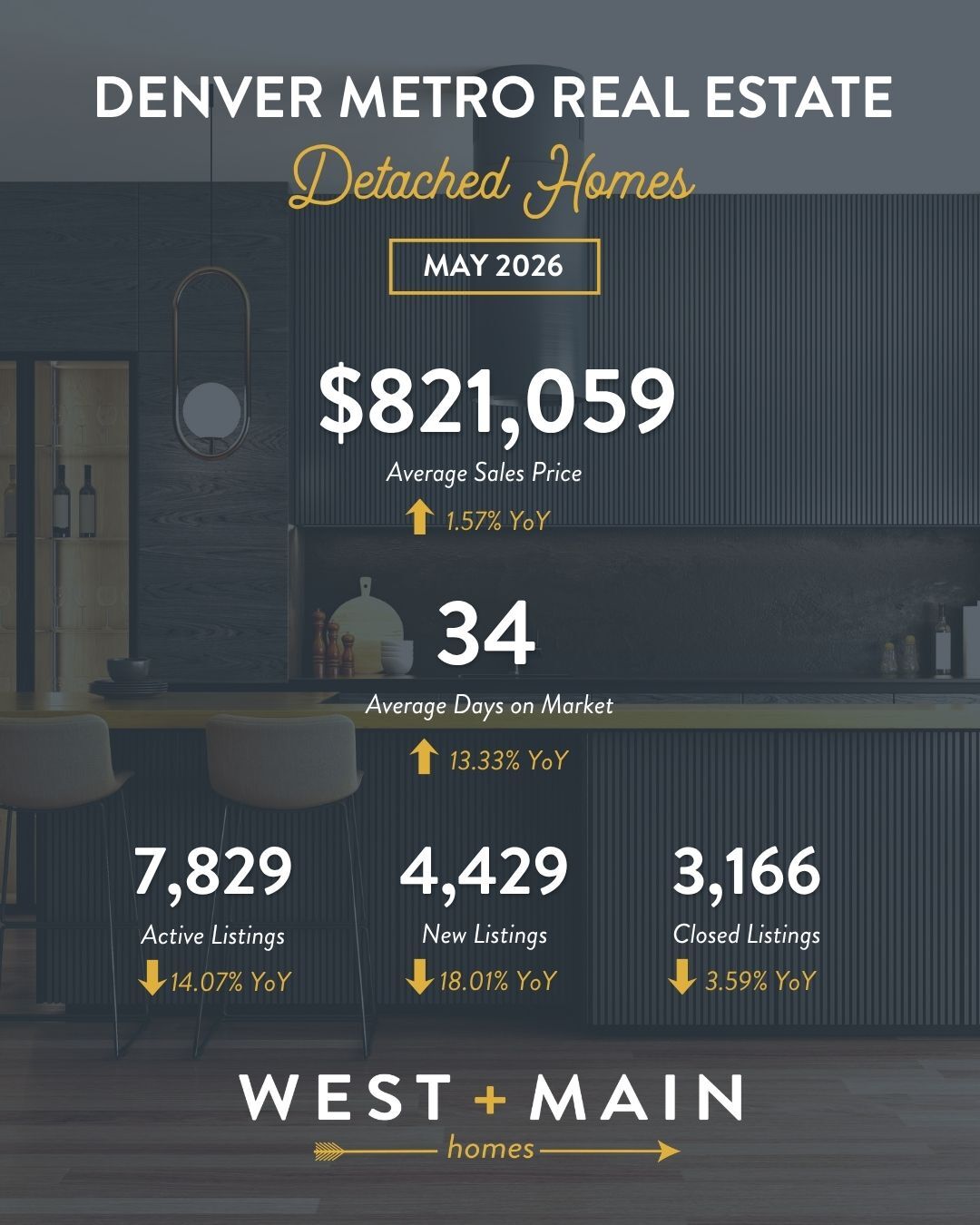
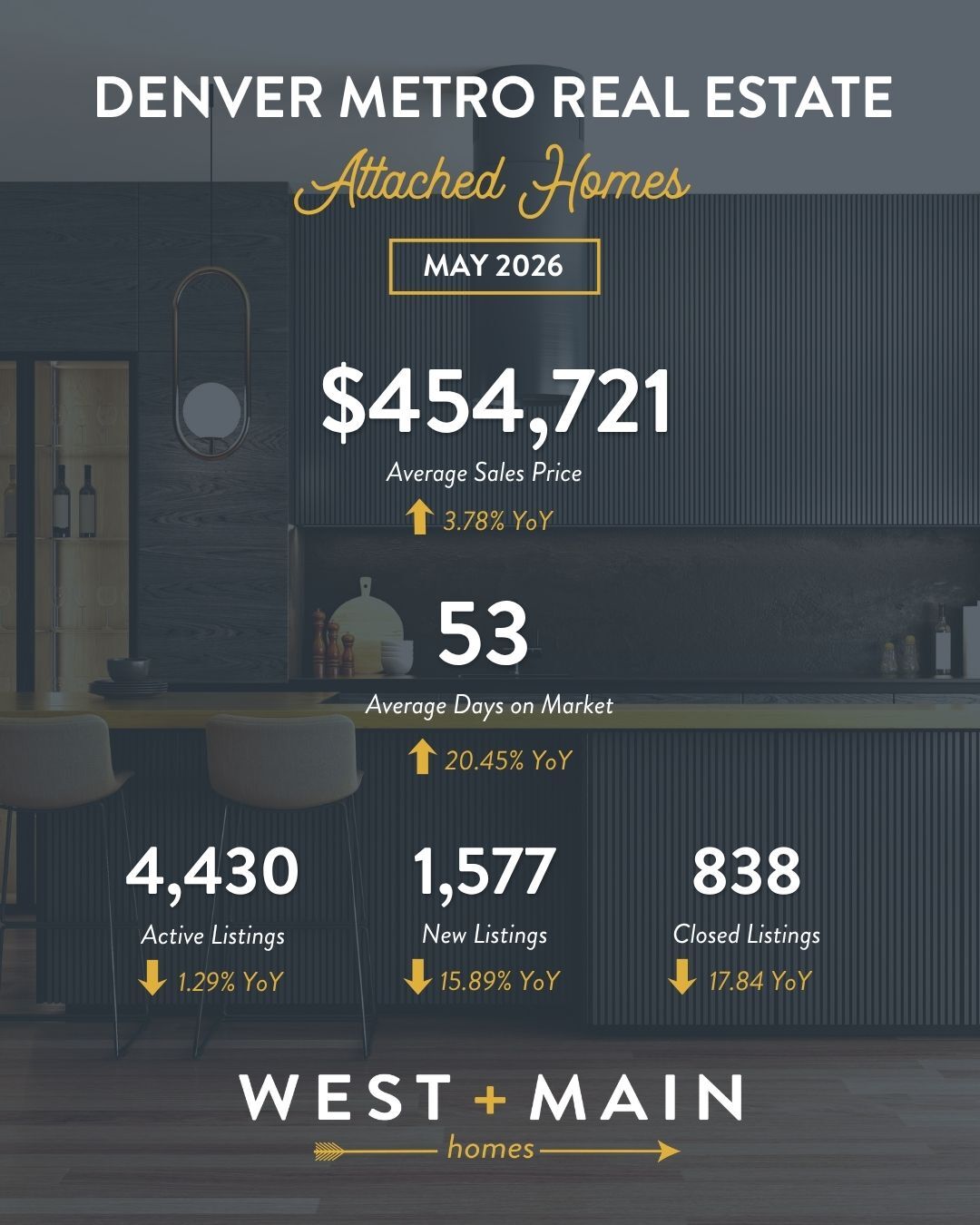
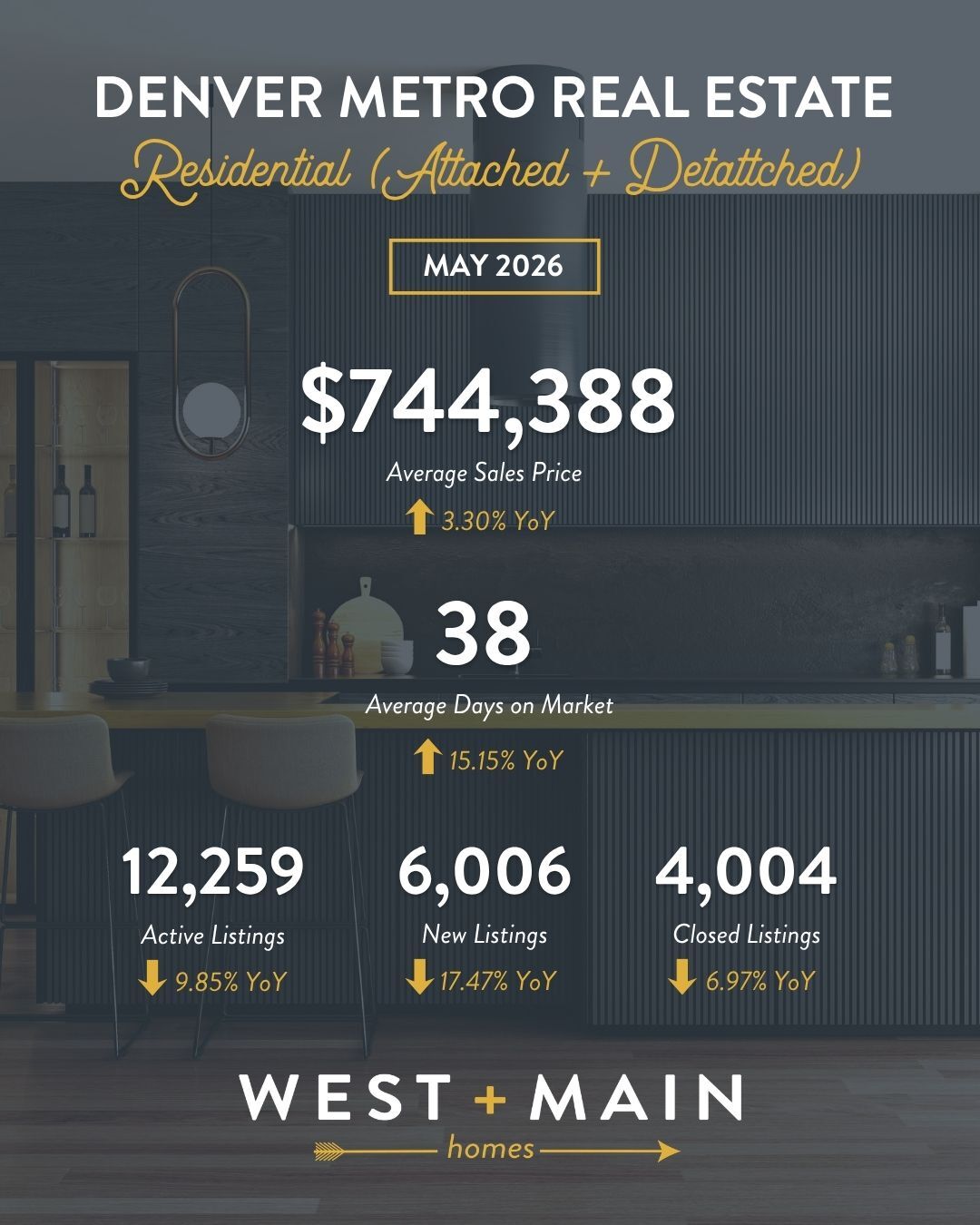
The market is reflecting this reality on both sides of the transaction. Overall, closed sales fell 6.97 percent year-over-year in May. The attached segment (the market's traditional entry-level product) fell a sharper 17.84 percent. New listings dropped 17.47 percent year-over-year, a direct signal that rate lock-in is suppressing seller activity as meaningfully as it is suppressing buyer demand. Homeowners with three to four percent mortgages face a monthly payment increase of $1,500 to $2,000 on a typical move-up purchase, a gap wide enough to make even well-capitalized sellers pause. That is keeping inventory constrained and transaction volume muted across the board.
Yet the inventory picture carries a nuance worth noting. New listings in May were down 9.49 percent from April, even as the total active inventory at the end of the month grew 6.24 percent to 12,259—a reflection of homes taking longer to sell rather than a surge of new supply. Year-to-date, both total sales volume and closed properties are slightly below 2025 levels. Inspection contingencies, seller concessions, and rate buydown negotiations are all back on the table—tools that defined professional value before the frenzy years stripped them away.
When attainability fatigue sets in, perspective is the most valuable thing a real estate professional can offer. Buyers in today's market are facing prices that align with the market's long-run historical trajectory, and that context matters. Focusing on a rate solution is far more productive than waiting for a 40 percent price correction that the data simply does not support. Every one percent decline in mortgage rates reduces the monthly payment on today's median-priced home by approximately $315, a rate buydown or future refinance away from meaningfully changing the affordability equation without requiring any movement in price.
What the data ultimately reveals is a market functioning as it should, priced as it has historically been, and made unattainable by forces entirely outside it. That is a meaningful distinction, but it does not lower the payment, and it does not make the decision easier. Attainability fatigue is the predictable human response to an unpredictable economic environment.
Read more at DMAR