If you love gardens but don’t actually love gardening, a gravel garden could be a worthy compromise. Traditional flower beds can be surprisingly high-maintenance between watering annuals, spreading mulch, pulling weeds, feeding plants, and replacing anything that struggles through the season. It’s no surprise that so many elaborate garden beds eventually become overgrown or neglected once a home changes hands.
So, is a gravel garden the right fit for your yard? Maybe or maybe not. This low-water landscaping style combines drought-tolerant plants with a gravel top dressing that will never decompose or get moldy. We asked professional gardeners to share more about gravel gardens, including why they are suddenly everywhere, where they absolutely won’t work, and how to grow one successfully.
What Are Gravel Gardens?
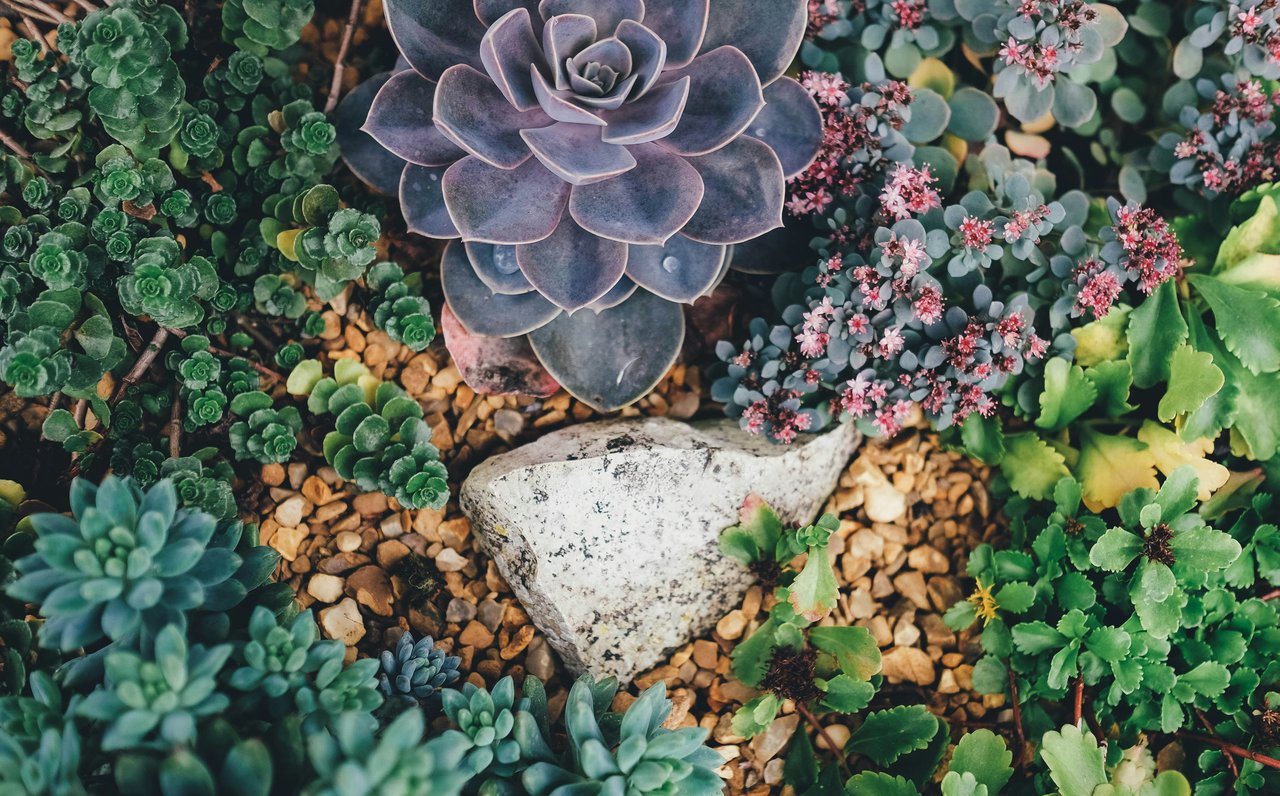
A gravel garden is a landscaping style where drought-tolerant plants are set into designated pockets, and the typical mulch or turf is replaced with well‑draining stone. “The aesthetic and plant palette borrow from Mediterranean alpine styles and coastal systems,” says Jim Stucchi, landscape designer and president at Stucchi Landscape & Design. “Gravel gardens are favored because they conserve water, reduce maintenance, resist erosion on slopes, support pollinators, and create clean, contemporary lines in the landscape.”
Similar to “rock gardens,” these landscapes are pretty low-maintenance, but only when set up correctly in the right locations. “They’ve become popular because they offer visual appeal while requiring less upkeep than traditional gardens,” says Chris Ramos, lawn expert and events coordinator at Blain's Farm & Fleet. “They also work well in both large and small spaces, including sloped or difficult areas where traditional landscaping may not thrive.”
Why You’ll Want to Create One
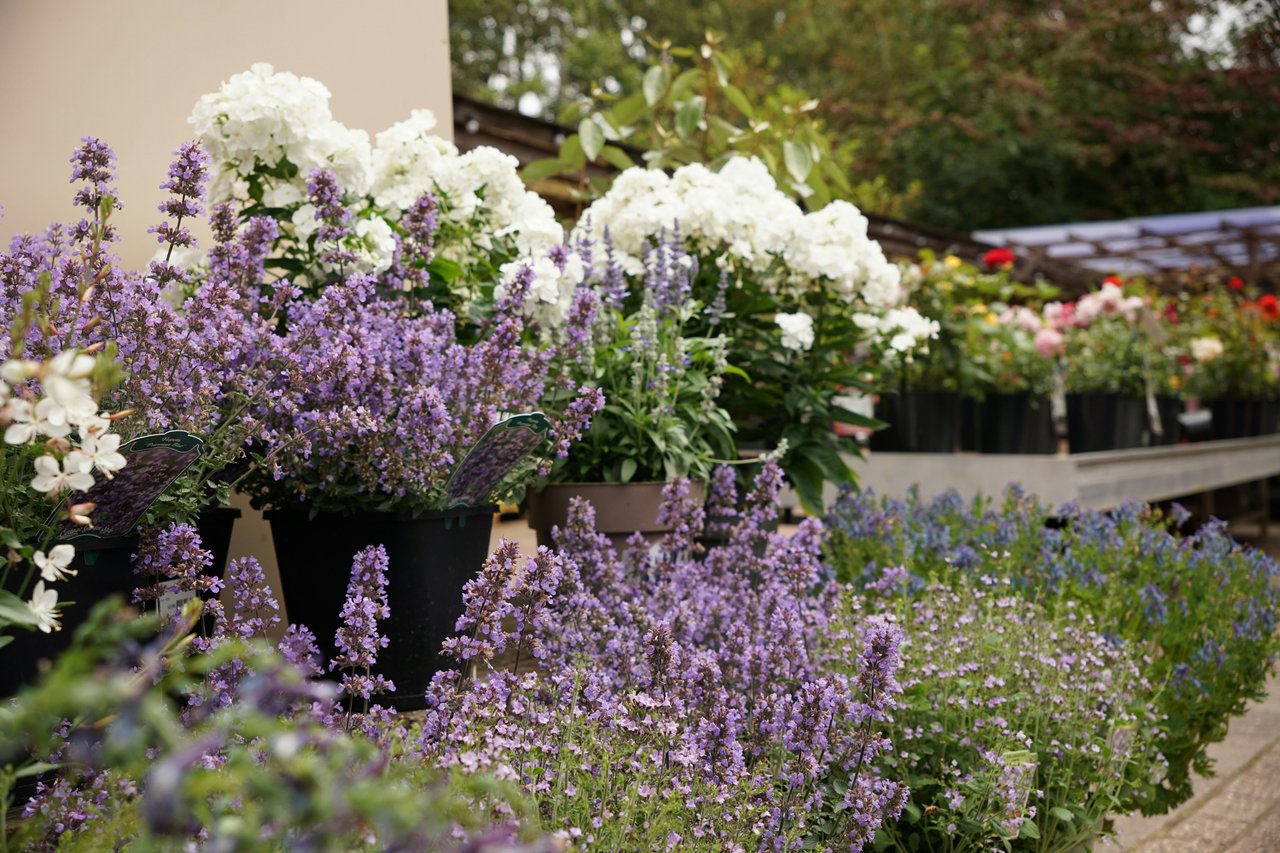
“One of the biggest benefits of gravel gardens is that they require less watering and weeding compared to traditional flower beds,” says Ramos. “They’re also versatile and can support drought-tolerant plants like succulents (sedum and hens-and-chicks), herbs (thyme, lavender, and rosemary), alpine flowers (creeping phlox and daisies), and ornamental grasses like blue fescue.”
Perhaps the most immediate appeal is the aesthetic: Stucchi notes that the typical plants used in these gardens are full of fun, playful forms. “Ornamental grasses dance in the wind, and creeping succulents create a base layer of texture for mid layers to play off,” he says. “Clumping perennials and architectural shrubs provide year‑round form and movement.”
As mentioned, these gardens also work well for unconventional yards with uneven terrain. “They perform well on slopes, coastal sites, and poor soils where traditional beds struggle,” says Stucchi. “Well‑chosen plants provide nectar and pollen for bees and butterflies. I plant in simple groups and layers—low mats, clumping perennials, and upright accents.”
But Stucchi emphasizes the need for thoughtful planning upfront. “Well-designed gravel gardens require zero mowing, less soil fertility management, and less leaf litter to manage throughout the seasons,” he says, noting that haphazard designs will not provide the same benefits.
Some Drawbacks to Consider
The main issue you could encounter is excess moisture. “Areas that collect water after rain are problematic, so you'll want to avoid gravel gardens in those spots,” says Ramos. “The garden also isn't completely hands-off; you'll still need to pull weeds, replenish gravel pathways, and check for sinking rocks after heavy rains.”
As for plants, “anything goes” does not really apply. “Plants that need consistently moist soil or don't tolerate rocky, well-drained conditions aren't a good fit here,” Ramos says. This means moisture-loving, shade-loving, or heavy-soil plants, trees, and shrubs like rhododendrons, hydrangeas, hostas, astilbes, ferns, and marsh plants are off limits. “Don't try this if you really love those plants!” Stucchi warns.
Gravel gardens tend to work best in sunnier, drier climates. But dark stones or extremely hot climates can also stress even the most resilient plants, and if you are not meticulous about weed prevention, weeds will be an issue. “Good initial soil preparation is required; plants will fail quickly if drainage or the soil mix is incorrect,” Stucchi adds.
In cooler northern regions with rich soil and frequent rain, gravel alone will not stop common weeds from taking root. Once the weeds are overgrown, maintenance can be frustrating since pulling them by hand isn't as easy, and weed whackers can send loose stones flying (ask us how we know). In those climates, a traditional mulched garden bed or a smaller, more strategic gravel feature may be more practical long-term.
Tips to Get Started
In many cases, gravel gardens are easier to maintain than traditional flower beds once the groundwork is done properly. Here are the key areas to focus on to create one that can withstand extended neglect.
Prepare the Soil
Start by planning the layout and choosing a sunny location with good drainage. “It’s important to clear weeds and prepare the soil before adding gravel and rocks,” says Ramos.
For best results, the soil should feel loose and gritty rather than dense and moist. Think of the difference between a bag of cactus mix and a rich vegetable garden soil. “If your native soil is clay, get your shovel out and start digging,” says Stucchi. “Remove and amend with either coarse stone dust, sharp sand, or a bagged free-draining mix, or create raised beds with a gritty loam.”
Pick Some Ideal Plants
Gravel gardens do best with drought-tolerant plants, but if you just plant them randomly, you may not like the final result or run into care issues. Stucchi suggests mixing low mats, upright spikes, and grasses for texture and height variation. “Make sure to group plants by water needs, or you will overwater some while underwatering others,” he says. “Leave open gravel around succulents and alpines to mimic their native conditions.”
Some of Stucchi’s favorite tried-and-true choices include:
- Mediterranean herbs: lavender, thyme, and rosemary
- Succulents and stonecrops: sedum, sempervivum, echeveria, and agave
- Alpine plants and rock garden perennials: saxifraga, dianthus, and aubrieta
- Ornamental grasses: stipa, festuca, and small carex cultivars
- Architectural perennials: eryngium, euphorbia characias, and achillea
- Low ground covers: armeria, phlox subulata, and low rock geraniums
Dress With Enough Gravel
The depth and type of gravel can also dictate your success. Stucchi recommends starting with a 1–3" deep top dressing, but you’ll need even thicker sections for paths or dry riverbeds. He suggests using angular gravel or crushed stone as a base and light-colored pea gravel around the plants.
To make the garden look Instagram-worthy, all you really need is some variation in stone size and planting placement. “Make it interesting by using planting pockets among stones of different sizes,” he says. “Dig planting holes, then mix in stone dust and compost for the root zone. Plant in groups and use low mounds so the roots get aeration and water initially.”
Set Up Irrigation and Maintain as Needed
“Water appropriately at initial planting, then taper it,” says Stucchi. “Consider temporary drip irrigation for establishment only if you cannot maintain consistent watering.” After the gravel garden is established with the recommended plants, you will only need to water sparingly, if at all.
For maintenance, you can save time by pulling weeds as they appear and dividing overgrown perennials each year. Both experts also recommend trimming and deadheading overgrown plants, replenishing gravel as needed (every few years), periodically inspecting rocks for shifting or sinking, and monitoring for pests or diseases.
Read more at Real Simple