When we think about microbiomes, the ones in our body—like in our gut and on our skin—tend to come to mind first. But as it turns out, we also live inside a microbiome: our home.
That’s right: our homes are living, breathing organisms of their own that can affect the health of those living in them. Their microbiome involves everything from dust and fungi, to vacuuming and ventilation. Here’s what to know about your home’s microbiome—and how to keep it healthy.
What Is a Microbiome?
A microbiome is a collection of all microorganisms, like bacteria, viruses, fungi, and other microbes, that live in a particular environment. “We often talk about the human microbiome like the gut or skin, but built environments like homes also have their own microbiomes,” says Don Thushara Galbadage, PhD, an associate professor in health sciences and public health at Texas Christian University. “These microbial communities are dynamic and constantly changing based on human activity, environmental conditions, and external environmental factors.”
It’s important to note that even though bacteria and viruses are involved, not all microbes are harmful. “Many are neutral or even beneficial, playing roles in immune system development and protection against pathogens,” Galbadage says.
What’s in a Home’s Microbiome?
A home’s microbiome contains a diverse mix of microorganisms that originate from occupants (humans and pets), outdoor environments (soil, air, plants), and indoor sources (food, water systems, surfaces), Galbadage says.
Your home has many different types of microbial life. Some of them are beneficial, some neutral, and some are not helpful. Here’s how Ryan Sinclair, PhD, a professor of environmental microbiology at Loma Linda University, breaks it down:
"Good" Microbes
- Examples: Lactobacillus, Bifidobacterium
- Often brought in from the outdoors or fermented foods; they can help train the human immune system.
“Neutral" Microbes
- Environmental bacteria (from soil/water)
- Most indoor microbes are harmless "passers-by" that simply occupy space, but may contribute to the overall community in some areas.
"Bad" Microbes
- Examples: Staphylococcus aureus, E. coli, Mold
- Potential pathogens that can cause infections, respiratory issues, or allergic reactions.
- You can have an allergic reaction to mold spores or some of the toxins that these organisms produce.
“Interestingly, the more types of microorganisms you have in your environment, the better,” says Jennifer Dunphy, DrPH, author of The Toxin Handbook. “Not only does diversity support immune system regulation, but it actually reduces the chance of developing asthma and allergies, particularly for young children.” Additionally, the more microbes you have on your skin, the better your body can fend off harmful microbes that try to invade your body. “We need microorganisms as much as they need us,” she says.
What Impacts a Home’s Microbiome?
So, what determines the makeup of your home’s microbiome? “Your home’s microbial community is not random,” Sinclair says. “It is shaped by your lifestyle, cleaning products, environment, and climate.” Some of the factors that impact your home’s microbiome include:
Occupants
According to Sinclair, humans “shed” about 10 million bacteria per hour—many coming from our skin and breath. The number of people living in a home, as well as the number and frequency of visitors affects its microbiome. If you have pets, your microbial diversity skyrockets. “A higher diversity is usually good for your immune system,” he says.
Human Behavior
This includes things like cleaning habits, ventilation, cooking, and how often windows are opened, Galbadage says.
Ventilation
Opening windows introduces outdoor microbes, while closed-off, AC-only environments tend to harbor more human-associated bacteria. “Within the mold community only, there are outdoor associated molds and indoor moisture issue associated molds that are characteristic of those environments,” Sinclair says. “The indoor molds are often more harmful.”
Location
Homes in rural areas have different profiles than high-rise city apartments, Sinclair says. Geographic location and proximity to green spaces further affect which microbes are present, Galbadage adds.
Climate
Climate zones with different humidity levels have different types of microbes, Sinclair says. “Some pathogens need high humidity, while others may need a dry environment,” he explains. Whether or not a home has water damage also impacts its microbiome, Galbadage says.
Can Over-Sterilizing Make Your Home Unhealthy?
The idea that disinfecting or sterilizing your home too much can be harmful is what’s known as the "Hygiene Hypothesis.” According to this theory, using harsh antibacterial cleaners everywhere will kill off the weak harmless bacteria and theoretically leave space for more resilient, potentially harmful, and antibiotic-resistant strains, Sinclair explains.
“That hypothesis is also commonly linked to what we allow our children to be exposed to,” he says. “It states that exposure and the lack of exposure to diverse microbes—especially in childhood—can prevent the immune system from learning how to distinguish between real threats and harmless triggers like pollen or pet dander, leading to increased rates of allergies and asthma.”
Although the hypothesis is helpful to communicate the concept, Sinclair says that it isn’t universally true and doesn’t promote an informed response to infectious disease health hazards. For example, “the hygiene hypotheses will not protect your family against infectious agents like COVID-19 or Norovirus,” he says.
Instead, the International Scientific Forum on Home Hygiene recommends that we practice “targeted hygiene,” which it describes as “identifying the key routes for infection transmission and targeting hygiene interventions in these places at times when it matters.”
The idea behind targeted hygiene is to maximize protection against infectious microbes, while otherwise allowing normal exposure to the largely non-harmful microbes—an important part of building a diverse microbiome in and on our bodies. This, in turn, can reduce risks of other diseases, including allergies. “The correct approach is to know when to practice hygiene, where to apply the disinfectants, and how to apply them,” Sinclair says.
How Can We Create and Maintain a Healthy Microbiome in Our Home?
Maintaining a healthy home microbiome involves balanced, practical strategies, Galbadage says. “A healthy home microbiome manages the balance of allowing some normal microbes to coexist within the home, while also practicing targeted hygiene,” Sinclair explains. Here are some practical tips for creating and maintaining a healthy home microbiome.
Clean Appropriately
Regular cleaning is important, but focus on targeted hygiene, cleaning high-touch surfaces like doorknobs and kitchen counters with appropriate products rather than disinfecting everything constantly. Try to use plain soap when disinfection isn’t necessary, Sinclair says. “Save the heavy disinfectants for ‘high-risk’ areas like the cutting board used for raw chicken, the toilet, or with use on soiled linens,” he explains.
Open the Windows
Increasing airflow from the outdoors brings in diverse outdoor microbes that "dilute" the concentration of human-shed bacteria, Sinclair says. “Do this within reason; some climates or environments may be dusty and have more allergens or contaminants outside than indoors,” he adds.
Control Moisture
Fix water leaks promptly and use dehumidifiers in damp areas to prevent mold growth, Galbadage says. Also, use exhaust fans in bathrooms and kitchens to prevent harmful molds from dominating the ecosystem, Sinclair says.
Vacuum Regularly
Try vacuuming once or twice a week, Dunphy says. “This removes harmful particulates that we inhale,” she explains.
Bring the Outdoors Indoors
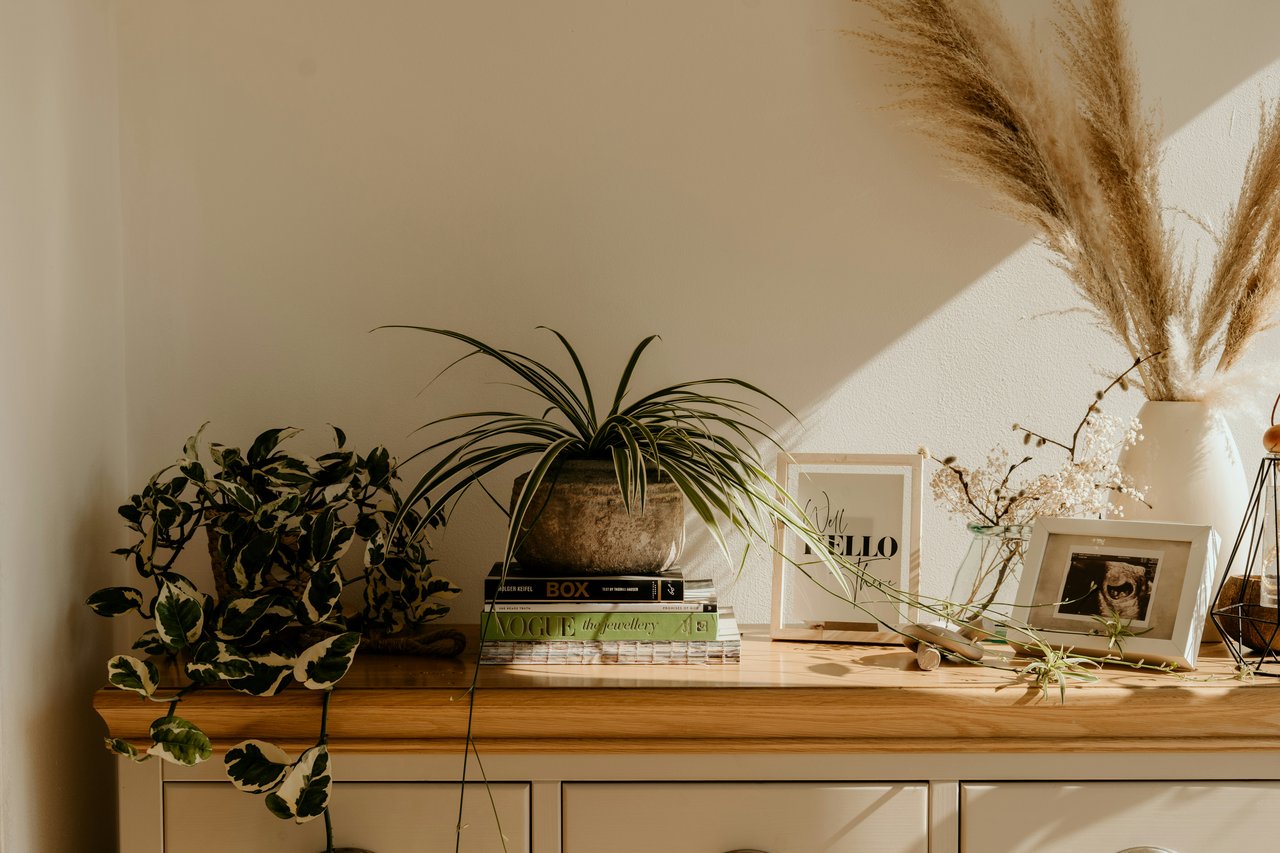
Incorporating natural elements, like houseplants, or spending time outdoors and bringing in outdoor air, can introduce beneficial microbes, Galbadage says.
Avoid Pesticides
They can get inside the home very quickly, especially with children or pets, and in general are toxic to our bodies, Dunphy says.
Buy Furniture Made of Natural Fibers and Wood
This reduces Volatile Organic Compounds—off-gassing in the home, Dunphy says. “Overall, a healthy home microbiome is about balance of microbes, not sterility,” Galbadage says.
Read more at Real Simple