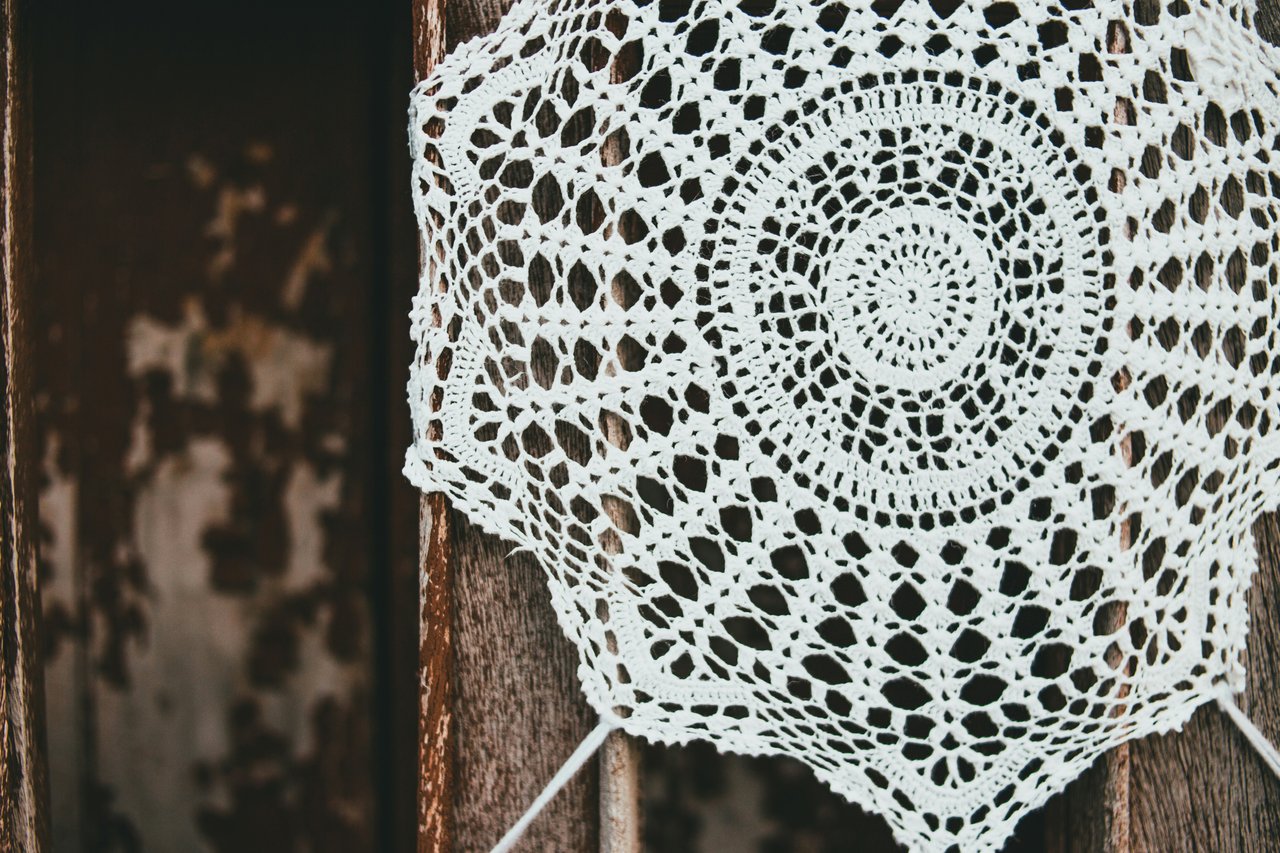
Lace is making a big comeback in both fashion and interiors, but designers say the traditional material’s return isn’t random. Rather, it’s part of a larger shift in design preferences. “People have been moving away from spaces that feel stark, lifeless, or overly minimal and back toward materials that have more character, warmth, and interest,” says designer Terri Brien. Lace naturally fits into that category.
The delicate material, which finds its origins in 16th century Europe, is often associated with a traditional aesthetic, but designers say it’s returning in a reimagined way. “It’s not coming back the way we saw it in our grandma’s house,” Brien notes.
She believes the trend is less about bringing lace back as-is, and more about reworking it so it fits how people live now. “A little less precious, a little more layered, and not trying too hard,” she says. Here’s why designers say lace is making a comeback, plus their favorite ways to incorporate it in a fresh way.
Why Lace Is Popular Again Right Now
“Traditional materials, including lace, are trending again as we experience a large return to classic and charming details,” says designer Peggy Haddad. After years of clean-lined and stripped-back minimalist interiors, it only makes sense for the design pendulum to swing in the opposite direction.
“I think lace is trending again because people are hungry for romance and softness,” says designer Kati Curtis. She is noticing a shift towards spaces that feel layered, sensual, and more personal, and says lace delivers that immediately. “It has history, femininity, and texture, but when you use it the right way, it doesn’t feel old-fashioned at all,” Curtis explains.
7 Ways to Incorporate Lace in a Fresh Way
When it comes to incorporating lace into your home in a fresh and modern way, designers say a little goes a long way. Their best tip? Use lace sparingly, and don’t overthink it.
1. Use Bedroom Textiles With Lace Details for Softness
One of Curtis’ favorite ways to bring in lace is through bedding. “It brings in softness and romance in a way that still feels elevated,” the designer says, adding that it’s one of the easiest ways to use lace without making a room feel fussy. Since it works best as a small detail, Brien suggests a hint of lace on a pillow or along the edges of bedding. That way, it softens the space without taking over. “It should feel like something you notice after the fact, not the first thing your eye goes to,” Brien says.
2. Pair Lace With Stronger Elements for a Modern Edge
The trick to incorporating lace in a fresh way is to make sure not everything in the space reads as “sweet,” Curtis explains. “Pair it with stronger elements that have more modern lines, richer colors, darker woods, lacquer, stone, or metal, and suddenly lace feels chic instead of precious,” she says.
Rather than leaning into its overly proper or decorative side, the designer suggests juxtaposing it with more tailored, masculine, or polished materials for a little bit of design tension that delivers a fresh take on the traditional material.
3. Add Lace to Table Settings
Lace is a natural fit for a beautiful table setting, but to introduce it in an updated way Brien recommends pairing it with pieces that have a little more weight to them. Think: ceramic, stone, or something with slight imperfections to balance out the material’s delicate details. “A lace tablecloth or vintage napkins can be really beautiful here, especially when they’re layered with more current pieces,” Brien shares.
That mix is what the designer says keeps lace from feeling too delicate or overly styled, and adds contrast to make the whole setting feel more interesting.
4. Add Charm to Glass-Front Cabinets With Lace
Glass-front cabinets have been a popular choice over the past few years, bringing back a classic look and an open feel to kitchens. Take Haddad’s tip and add an extra layer of detail with lace. “With the growing trend of adding fabric panels to glass-front cabinets, lace would be a beautiful, whimsical choice,” she says.
5. Choose Soft-Toned Lace Instead of White
You may think of lace as always being a crisp shade of white, but it actually comes in more muted neutrals, too. It’s not just how and where you incorporate lace that can influence how modern or old-fashioned it looks, its color plays a role, too. “Choose softer colors other than bright white to give it a more modern and elevated feel, such as creams, taupe, and other neutrals,” Haddad suggests.
6. Customize Frames With Lace
Get creative and customize picture frames with lace. “Wrapping lace around the matting of a vintage print or piece of art adds this really subtle layer of detail,” Brien shares. It’s an unexpected yet impactful way to introduce the traditional material in a unique way. “It’s not something you immediately clock as lace, but it gives the piece a bit more depth and softness,” the designer says.
7. Incorporate Lace-Inspired Patterns
Lastly, there is a more subtle approach to use lace, where Brien says you’re not using it directly but borrowing from it. “You might see it in a patterned tile or a carved wood detail that has that same delicate, layered look,” she says. Another fun vehicle the designer suggests for adding lace without it feeling too literal is through something like a lace-inspired wallpaper pattern in a powder room. “It still brings in that softness and detail, just in a way that feels a bit more current and easier to live with,” Brien shares.
Read more at Better Homes and Gardens