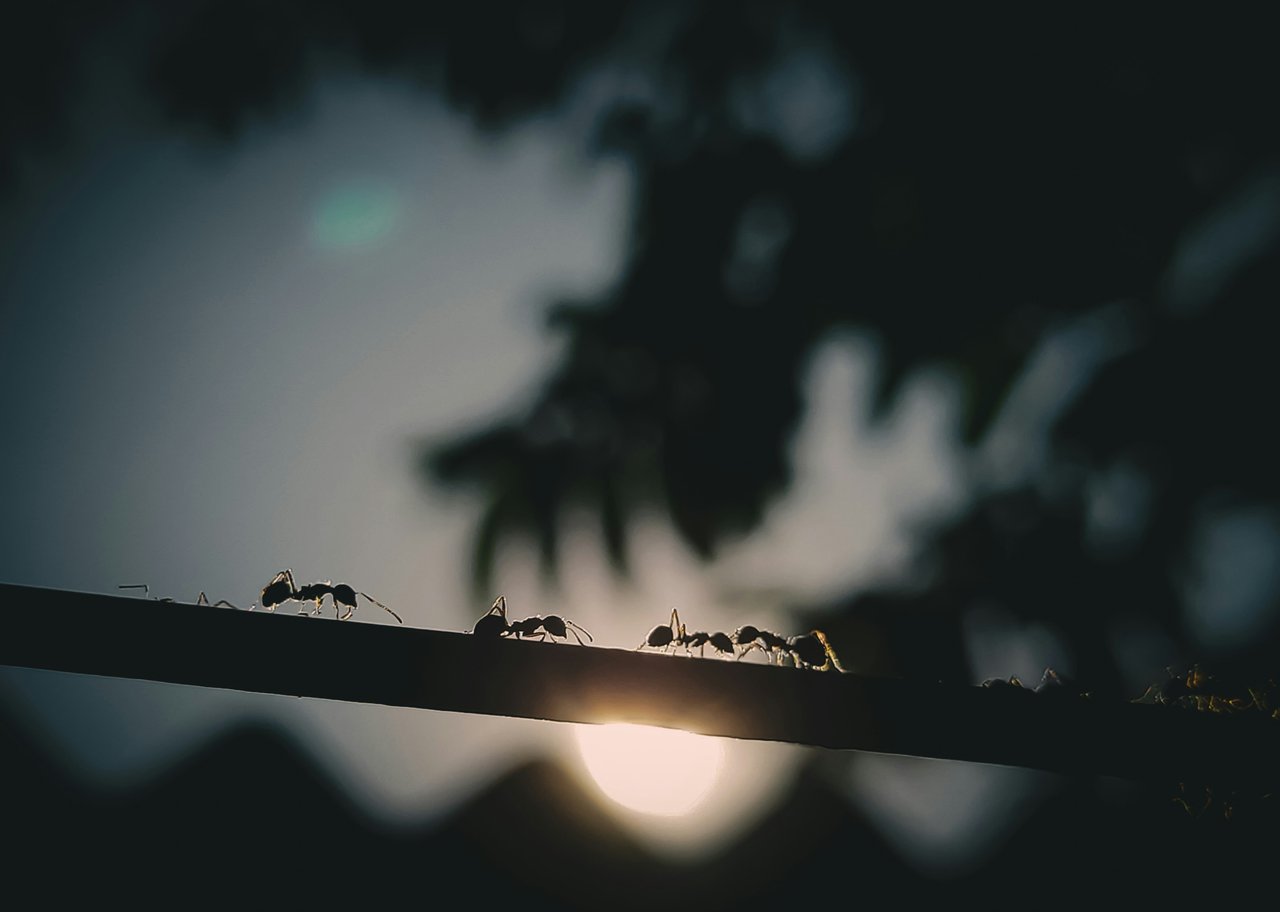
When crawling around your backyard, ants typically mind their own business. In fact, because these tiny insects naturally aerate soil, they play a pretty important role in beautifying your garden. But when they protect outdoor pests and enter your house in search of food and shelter, issues arise. "They’re not a problem until they’re marching across your counter," says Dan Suiter, PhD, urban entomologist with the University of Georgia Extension. "And there’s never just one ant."
Ants might be small, but since they live in massive social colonies with several hundred to a few thousand members, they can be a big nuisance. After setting foot inside your home, these pesky bugs can contaminate your food, cause structural damage, and some types can even sting. Plus, if they find what they’re looking for, they’ll send signals that attract more ants, leading to a full-on infestation. “Generally, the ones that cause the most problems indoors are sweet ants, which are attracted to something such as a spilled soda or syrup,” Suiter explains. “They never stop searching for food, day and night.”
Because they multiply rapidly, getting rid of ants inside your house and across your yard is a pretty challenging task. The key? Instead of spraying individual insects in clear sight, you’ll need to tackle the entire colony. Here, you'll find a variety of solutions to keep your space ant-free—and keep it that way. And if you need to eliminate other pests, check out how to get rid of gnats and how to get rid of fruit flies, so you can enjoy your summer without constantly swatting bugs away!
How to Get Rid of Ants Inside Your Home
Ants are rarely a welcome houseguest, especially when they’re marching across your kitchen floors and raiding your pantry. To remove these pint-sized pests from your home (for good), follow these expert-backed tips:
Find Their Food Source
Since ants are always on the hunt for a mere morsel to eat, you can tackle the infestation by abolishing their food source. Sealing packages of food, regularly wiping down your counters, and frequently sweeping your floors will get rid of the bait that draws them in. But because ants leave behind pheromones that lead back to their colony, you’ll need to destroy the invisible scent trails, too. Cleaning surfaces with vinegar or soapy water will keep colonies from overrunning your house.
Set Out Ant Baits
While it might be tempting to spray ants with insecticide, this method doesn’t tackle the root of the problem: the queen. Instead, place store-bought or at-home ant baits along the areas with high ant activity. “Baits are like a smart bomb that target the whole nest,” Suiter explains. When the ants discover the bait, they’ll consume it and carry it back to their colony, until it reaches the queen. If you’re using commercial bait stations, closely follow the instructions. For a DIY ant killer, mix Borax with enough water to make a paste, and place it on small jar lids in the infested areas. Whatever method you choose, keep the solution far away from pets and kids.
Watch the Population Dwindle
Within a matter of days, you should see a decline in the ant population. Sometimes, though, the worker ants won’t like the taste of the bait, so it won’t effectively eliminate the colony. “Ants have palates, and if they don’t take the bait immediately, you’ll need to try a different formula,” Suiter notes. Read the label to identify the active ingredient, and replace it with a different, more palatable bait.
How to Get Rid of Ants Outdoors
Although ants can be beneficial garden visitors, in some cases, they can wreak havoc on your yard. In other cases, the source of your indoor ant infestation can begin with an outdoor nest. Either way, the below tips will help you eliminate problematic pests:
Do Some Sleuthing
The length that ants will travel for food depends on the species, but they’ll generally crawl up to 25 feet of their nest. Since the colony is almost always outside, Suiter suggests looking around your yard to identify where they’re foraging. Oftentimes, their home will be hidden, so inspect leaf litter, peak under rotting logs and stepping stones, investigate mulch beds up against the house, and scan any outdoor area that’s warm and damp. Keep in mind that you aren’t looking for a nest—just locating where they’re hanging out, so you can eliminate potential hideouts.
Clean Up Your Yard
Remove anything that harbors ants, such as leaf piles, mulch layers, and clogged gutters. Next, cut back vegetation against the foundation of your house and snip away any limbs that brush against the exterior. “Ants are 'edge-followers' and will trail along the edges of sidewalks or countertops, so eliminate any vegetation that touches the structure and gives them easy access to your home,” Suiter says.
Use Ant Repellants
Unfortunately, ant colonies can be gigantic, so even if you kill thousands, the queen only needs a few workers to help her rebuild the colony. If baiting and cleaning up the environment near your home don’t relieve your ant problem, apply a spot treatment (outdoors only!) with an appropriately labeled pest spray or a granule that contains essential oils like spearmint, peppermint, or cedar, which mask their scent trails. Sprinkle the solution around windows, doors, and foraging sites, and be persistent—it’s not a “once and done” exercise, Suiter notes.
How to Keep Ants Away for Good
Once you’ve abolished the colony, you’ll need to implement powerful prevention methods to keep ants out. These tips will help prevent future infestations:
Seal Entry Points
To avoid another insect takeover, seal any openings that ants can squeeze through to get inside your house. Using silicone caulk, putty, or weather stripping, fill the gaps, cracks, and crevices in your doors, windows, and pipes.
Secure Food
Since ants venture inside your house looking for food, keep all your packaged crackers, boxed cereals, and bagged chips strongly secured. Place dry goods (think: sugar, flour, and pasta) in airtight containers, refrigerate ripe fruits, and tightly seal opened packages (including pet food!).
Maintain a Tidy Space
Regularly cleaning your home will help avoid a future takeover. To keep crumbs away, wipe down countertops, sweep the floors, and wash dirty dishes on a daily basis. You'll also want to take the trash out often and remove any lingering residue that ants may be interested in. Outside, you can discourage nesting by raking dead leaves, removing rotting wood, and trimming vegetation.
When to Call the Professionals
Despite all your efforts, if you’re still facing an infestation, call a pest control company to get rid of the uninvited guests for good. These professionals have powerful ant-righting products that aren’t readily available to the average homeowner, so their methods are basically foolproof! With a little patience and persistence, you can get rid of ants without the stress.
Read more at Pioneer Woman